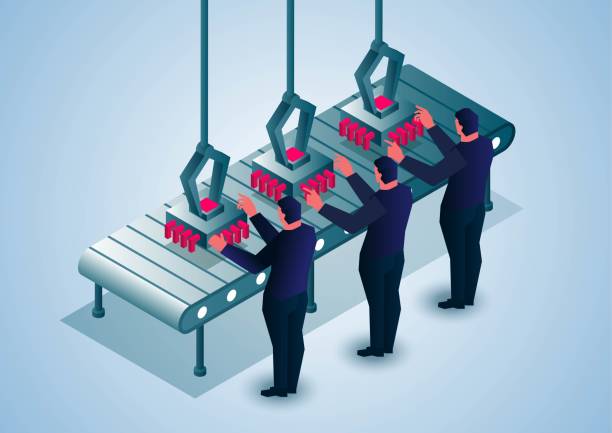
Ah, automation. The magical thing that promises to make life easier… and also makes some of us worry that robots are plotting to take our jobs. Honestly, it’s kind of like having a really smart coworker who never sleeps, never complains, and also might quietly replace you if you’re not careful.
It’s Already Here
Think about it — self-checkout lines, chatbots on websites, even AI that writes essays (guilty). Automation isn’t some sci-fi future thing; it’s already reshaping the workplace. And while it sounds like a dystopian nightmare, it’s not all doom and gloom.
Some jobs will disappear — routine, repetitive work is especially at risk. Data entry, basic assembly line tasks, and some administrative roles are increasingly being done by machines or software. But other jobs are evolving, not vanishing.
Jobs That Will Transform
Automation doesn’t always mean “replace humans.” It often means “humans get upgraded.” For example:
-
Factory workers now oversee robots instead of tightening bolts all day.
-
Customer service reps handle complex issues while bots handle the FAQs.
-
Financial analysts use AI to crunch massive data, freeing them to focus on insights instead of spreadsheets.
The key here is that humans bring creativity, empathy, and problem-solving skills that machines just cannot fully replicate… yet.
Skills That Will Matter More
If you want to stay relevant, think less about memorizing procedures and more about adaptability. Skills that are hard to automate include:
-
Critical thinking and creativity
-
Emotional intelligence
-
Tech literacy and the ability to work alongside AI
-
Complex problem-solving
Basically, if your job is “I follow the exact same steps every day,” automation is going to give you some competition.
Opportunities Are Coming
Here’s the silver lining: automation creates jobs too. Think of AI specialists, robot maintenance technicians, data scientists, and even jobs we haven’t thought of yet. New technology always brings new opportunities — it just shifts the landscape.
Plus, automation can make work less exhausting. Tasks that are boring, repetitive, or physically draining are prime candidates for machines. That means humans can focus on higher-value, interesting work. Or, if you’re lucky, spend more time on life outside work.
The Human Touch Still Wins
At the end of the day, the future isn’t humans versus machines. It’s humans with machines. Those who can embrace technology, learn new skills, and think creatively will thrive. Those who resist change might get left behind.
It’s not just a career sur