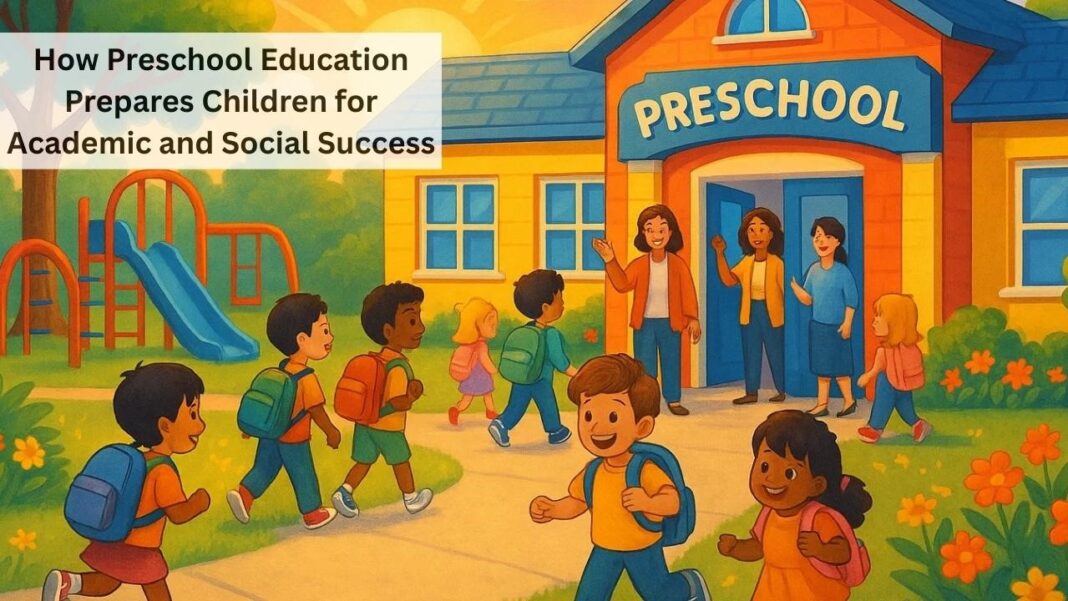
The early years of a child’s life are often called the foundation years, and for good reason. During this time, children are like sponges—absorbing knowledge, exploring their surroundings, and forming habits that will stay with them for life. One of the most effective ways to nurture this growth is through preschool education.
Preschool is not just about playtime or keeping children busy. It’s a structured environment that prepares little ones for the challenges of elementary school while also helping them develop vital social skills, emotional resilience, and confidence. From academic readiness to building friendships, the impact of preschool education is long-lasting and transformative.
Section 1: Academic Preparedness
One of the primary goals of early childhood learning is to prepare children academically. Preschool introduces them to the basics of literacy, numeracy, and structured routines in a way that feels fun and engaging.
- Early Literacy Skills
Through activities like storytelling, songs, and letter recognition games, children begin to:
- Recognize alphabets and sounds.
- Develop listening and comprehension skills.
- Build vocabulary and communication abilities.
For example, listening to stories not only improves imagination but also teaches sentence structures and moral lessons.
- Early Numeracy Skills
Preschool classrooms often include counting games, puzzles, and simple math activities. These playful exercises help children:
- Understand numbers, shapes, and patterns.
- Develop logical thinking and problem-solving abilities.
- Build confidence in handling math concepts early.
- Developing Curiosity and Critical Thinking
Preschool encourages children to ask questions, explore, and discover. Activities like nature walks or hands-on experiments (such as mixing colors) foster curiosity and analytical thinking. - Structured Learning Routines
Beyond academics, preschool familiarizes children with routines—like circle time, snack breaks, and activity sessions. These practices teach discipline, time management, and readiness for the more formal structure of elementary school.
In essence, preschool builds a strong academic base while keeping learning enjoyable.
Section 2: Social and Emotional Development
Academic skills are only part of the equation. Social skills in children are equally important for success in school and life, and preschool plays a key role in developing them.
- Learning to Share and Cooperate
In preschool, children interact with peers through group activities, team projects, and shared play. These experiences teach them:
- How to share toys and resources.
- The importance of teamwork.
- Respect for others’ perspectives.
- Building Empathy and Emotional Awareness
Role-playing games, storytelling, and guided interactions help children understand emotions—both their own and those of others. This fosters empathy and kindness, qualities essential for building strong relationships. - Developing Self-Confidence
Preschool provides a safe space where children are encouraged to try new activities and express themselves. Whether it’s drawing, reciting rhymes, or participating in a skit, these experiences boost self-esteem and confidence. - Managing Emotions and Behavior
Through gentle guidance, children learn how to handle frustration, take turns, and resolve conflicts. These lessons in emotional regulation prepare them for both classroom challenges and real-life situations.
By nurturing emotional intelligence, preschool helps children grow into balanced and confident individuals.
Section 3: Cognitive and Physical Growth
Beyond academics and social learning, preschool also contributes to overall cognitive and physical development.
Cognitive Growth
Children are naturally curious, and preschools encourage exploration through puzzles, problem-solving games, and interactive lessons. These activities sharpen memory, attention span, and reasoning abilities.
Physical Growth
- Fine motor skills: Activities like drawing, coloring, and building blocks improve hand-eye coordination and prepare children for writing.
- Gross motor skills: Running, climbing, and playing on swings strengthen muscles, improve balance, and promote healthy physical growth.
Together, these experiences ensure children develop not only mentally but also physically.
Section 4: Long-Term Benefits
The benefits of preschool education don’t end with kindergarten—they extend far into later years.
- Academic Performance: Studies show that children who attend preschool perform better in reading, math, and problem-solving during elementary school.
- Improved Communication: Early interaction with teachers and peers enhances language and social communication skills.
- Adaptability: Preschoolers adjust more easily to new environments, routines, and challenges.
- Lifelong Learning Skills: Curiosity, resilience, and confidence gained in preschool lay the groundwork for success in higher education and careers.
In short, preschool shapes not just students, but well-rounded individuals prepared for life.
Information Provided by Laureate High School
Preschool education is much more than an introduction to academics.
Laureate High School provides a nurturing and structured environment that supports the overall development of young learners. The program emphasizes academic readiness, social skills, emotional growth, cognitive ability, and physical development. Through engaging activities and well-organized routines, children are encouraged to explore, learn, and build confidence, laying the foundation for lifelong learning, resilience, and personal success.