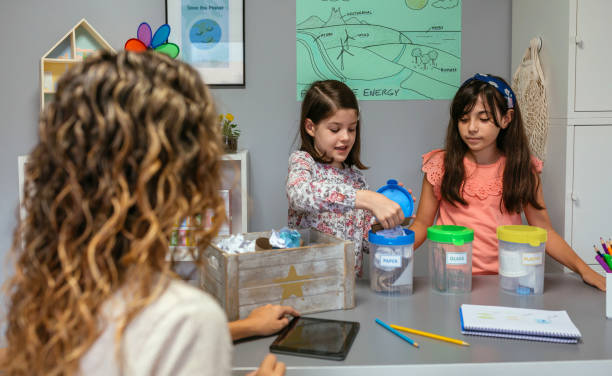
Let’s be honest: tech in classrooms used to mean an overhead projector that barely worked and a dusty desktop in the corner nobody touched. Fast-forward to now, and classrooms are more like mini tech hubs — tablets, smartboards, AI tools, you name it. The funny part? Some teachers are absolutely crushing it, turning their lessons into interactive magic shows, while others are still figuring out how to unmute themselves on Zoom. And that’s okay — we’re all learning.
I’ve seen both sides. I used to work with a teacher who had a literal treasure chest of old worksheets from the ‘90s. She was convinced “kids learn better without all that screen time.” Then the pandemic hit, and suddenly she was making TikTok-style history lessons, and her students loved it. That’s when it clicked for me: technology isn’t about replacing teachers; it’s like having a superpower you just need to learn to control.
Smartboards and Interactive Lessons
Those giant touchscreen boards aren’t just expensive whiteboards. If you use them right, they’re like having a giant iPad where you can pull up videos, do quizzes, and even let students come up and write their answers. It beats scribbling chalk dust all over your hands.
Gamifying Learning
Kids love games. Heck, adults love games. Apps like Kahoot, Quizizz, and Gimkit make tests and quizzes feel like game shows. It’s not just fun — it’s sneaky learning. I’ve seen students who hate math suddenly compete to solve equations faster than their friends because there’s a leaderboard.
AI Tools Are (Kind of) a Cheat Code
AI is like that one overly helpful friend who always has a shortcut. Tools like ChatGPT can help teachers create lesson plans, come up with examples, or even write practice questions in seconds. And yes, students are already using it to write essays, so teachers might as well use it too — fight fire with fire.
Virtual Field Trips
Not every school has the budget for trips, but tech fixes that. Google Earth, VR headsets, or even YouTube documentaries can take kids on a tour of the Great Wall of China or inside a volcano without leaving the classroom. It’s way cheaper and no one throws up on the bus.
Digital Collaboration
Tools like Google Docs or Padlet let students work together on projects in real-time. Group work used to mean one kid doing all the work while the others “supervised.” Now, it’s easier to see who’s actually contributing. Plus, kids get to practice teamwork skills that they’ll actually use in real life.
Personalized Learning
This is the underrated power of tech. Not every kid learns the same way, and technology helps teachers adjust. Programs like Khan Academy or Duolingo let kids learn at their own pace. Some students get ahead, others get extra practice, and nobody feels left behind.
The “Tech Overload” Trap
Of course, too much tech can backfire. Nobody wants to stare at screens for 6 hours straight — even kids who “love their phones.” Balance is everything. Use tech where it adds value, not just because it looks cool. Sometimes a handwritten note or a face-to-face conversation does more than an app ever could.
The bottom line: technology isn’t here to replace teachers — it’s here to make them superheroes. The teachers who embrace it (even a little) are showing kids how to thrive in a world that’s only going to get more digital. And honestly, once you see your students light up over a lesson you made interactive with tech, it’s hard to go back to chalk and erasers.