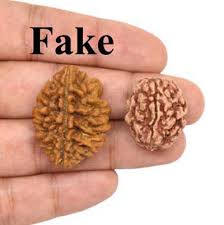
If you’ve ever held a Rudraksha bead in your hand and wondered, Okay… but how do I know which type this is? — you’re not alone. I remember the first time I got a Rudraksha as a gift from a friend. I stared at it for a good 10 minutes, turning it this way and that, thinking maybe it would magically reveal its secrets. Spoiler alert: it didn’t.
The secret sauce to figuring out the Rudraksha mukhi faces lies in a mix of careful observation, patience, and, honestly, a bit of trial and error. Don’t worry; it’s not as complicated as it sounds. Let’s break it down.
What Are Rudraksha Mukhi?
In simple terms, mukhi refers to the number of lines or divisions running from the top to the bottom of the bead. Each line is like a tiny fingerprint of the bead, and each type of mukhi has its own significance and energy. Some people swear by wearing a specific mukhi to attract luck, health, or clarity.
Think of it like Pokémon — each mukhi has its own special power. Only instead of Pikachu or Charmander, you’ve got beads that supposedly bring peace, prosperity, or focus.
Step 1: Look Closely Yes, Really Close
First things first, you need good lighting. Natural sunlight works best. Hold the bead up and rotate it slowly. You’re looking for lines that run all the way from the top called the Gauri Shankar end to the bottom. Count them carefully.
Pro tip: Don’t just glance. Some beads are sneaky and have very faint lines. I once miscounted a 5-mukhi as a 4-mukhi because the fifth line was hiding like a shy cat.
Step 2: Feel the Texture
It’s not just about sight. Rudraksha beads have a unique texture. Run your fingers over the bead and feel the natural grooves. Often, the depth and placement of the lines give clues to which mukhi you’re holding.
Also, if you notice any cracks or artificial drilling, that could mean it’s tampered with. Real Rudrakshas are a bit rough, like nature’s version of sandpaper.
Step 3: Know the Common Mukhi Types
Some mukhi are easy to identify even for beginners:
- 1 Mukhi: Super rare, one single line running from top to bottom. It’s like finding a four-leaf clover.
- 5 Mukhi: Most common, five lines. It’s considered lucky for daily wear.
- 7 Mukhi: Often associated with wealth and healing energy.
There are more, all the way up to 21 mukhi. But here’s the catch: some rare types are incredibly hard to tell apart without magnification. So, don’t stress if you’re off by one.
Step 4: Cross-Check Online
If you’re still confused, don’t be shy — Google is your friend. In fact, this guide I stumbled upon is super helpful: how to identify rudraksha mukhi. They’ve got detailed visuals and tips that make things way easier.
I even joined a Facebook group where people post pictures of their beads. The amount of Is this really 8 mukhi? threads is insane. It’s like a little Rudraksha detective club online.
Step 5: Trust Your Instincts
Finally, a little personal tip: sometimes the bead just feels right. I know it sounds woo-woo, but after handling a few dozen Rudrakshas, you start getting a feel for their energy and vibe. Kind of like picking a fruit at the market — sometimes the juiciest mango is the one that just feels heavier in your hand.