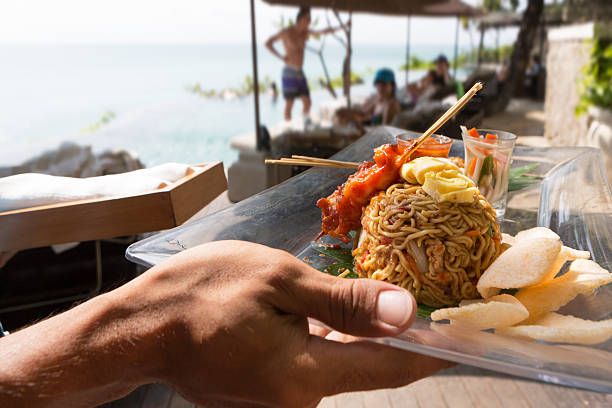
One of the best parts of traveling isn’t just seeing new sights — it’s tasting new flavors. Every country has its own culinary quirks, street foods, and traditional dishes that you have to try at least once. Forget the fancy Instagram restaurants for a second; the real adventure is in the food.
1. Street Food
Street food is often cheap, quick, and incredibly authentic. Think:
-
Bangkok’s Pad Thai stalls – Stir-fried noodles served hot off the wok.
-
Mexico City’s Tacos al Pastor – Juicy pork tacos with pineapple on the side.
-
Istanbul’s Simit – Sesame-covered bread rings, perfect with tea.
The key is to watch where locals are eating — long lines usually mean delicious and safe food.
2. Regional Specialties
Every place has something unique that locals are proud of. Don’t miss it:
-
Italy – Fresh pasta, gelato, and regional pizzas.
-
Japan – Sushi, ramen, and takoyaki (fried octopus balls).
-
Morocco – Tagine stews and sweet mint tea.
Trying these dishes gives you a taste of the culture itself, not just a meal.
3. Local Sweets and Desserts
Every country has its sugary treasures:
-
France – Croissants and macarons that are basically edible clouds.
-
Turkey – Baklava, rich and syrupy, perfect with coffee.
-
India – Gulab jamun or jalebi, sweet fried treats drenched in syrup.
Pro tip: Walk into small, family-run shops rather than big tourist spots — the flavor is usually unbeatable.
4. Drinks and Beverages
Sometimes it’s not just the food — local drinks can be a cultural experience too:
-
Argentina – Mate tea shared in a social ritual.
-
Germany – Local beers, each region with its own flavor.
-
Vietnam – Egg coffee, a surprisingly sweet and creamy treat.
Even if you’re not a big drinker, trying beverages gives insight into daily life abroad.
5. Unusual or Exotic Foods
If you’re adventurous, don’t shy away from the unusual:
-
Iceland – Hákarl, fermented shark (definitely an acquired taste).
-
Philippines – Balut, a fertilized duck egg, often boiled and eaten with salt.
-
China – Century eggs, which have a strong, unique flavor.
Even if you just try a bite, it’s an experience worth remembering.
Tips for Eating Abroad
-
Do some research: Know what’s popular in the region and which foods are safe to eat.
-
Watch locals: Follow the crowd — long lines are usually a good sign.
-
Try small portions first: You don’t want to waste food or overwhelm your stomach.
-
Be adventurous, but cautious: Street food is amazing, but make sure it looks fresh and cooked properly.
Eating while traveling is more than just satisfying hunger; it’s a way to connect with culture, people, and stories behind every dish. So go ahead, follow your taste buds, and make your next trip a full-on culinary adventure.